
Recently, our Managing Director Chris Houston spoke publicly about an issue that affects not only our own business, but the entire future of skilled trades in the UK: the growing crisis facing apprenticeships.
At Tadweld, we’ve always believed that apprenticeships are far more than a recruitment pipeline or a way to bring new people into the business. They are part of the heritage of British industry, a system that has shaped welders, fabricators, engineers, builders, and craftspeople for generations. Apprenticeships built our trades, fuelled growth across manufacturing, and provided thousands of young people with a respected, well-paid route into work without the burden of student debt.
But today, that system is under unprecedented pressure.
Apprenticeships are in decline
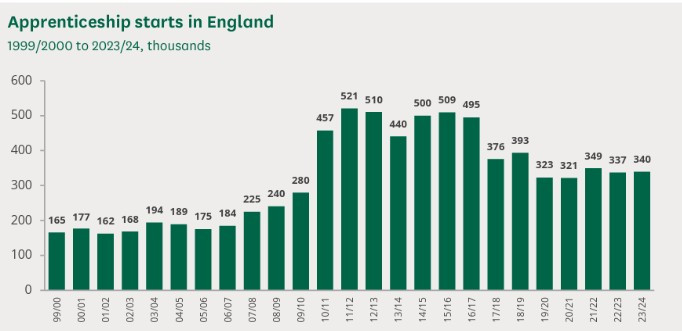
You may have seen the headlines: apprenticeship places have fallen dramatically over the last decade. The introduction of the Apprenticeship Levy in 2017 certainly didn’t help, and for years, national policy seemed far more focused on pushing university degrees than vocational skills.
Yet, despite this, something positive was happening. Young people had started rediscovering apprenticeships. We finally saw attitudes shift; students, parents and career advisors were again viewing hands-on vocational education as a valuable and smart alternative to university.
The tide was turning.
And then, policy changed again, this time in the form of drastic rises to the National Minimum Wage.
A 66% wage increase in two years- with no support for SMEs
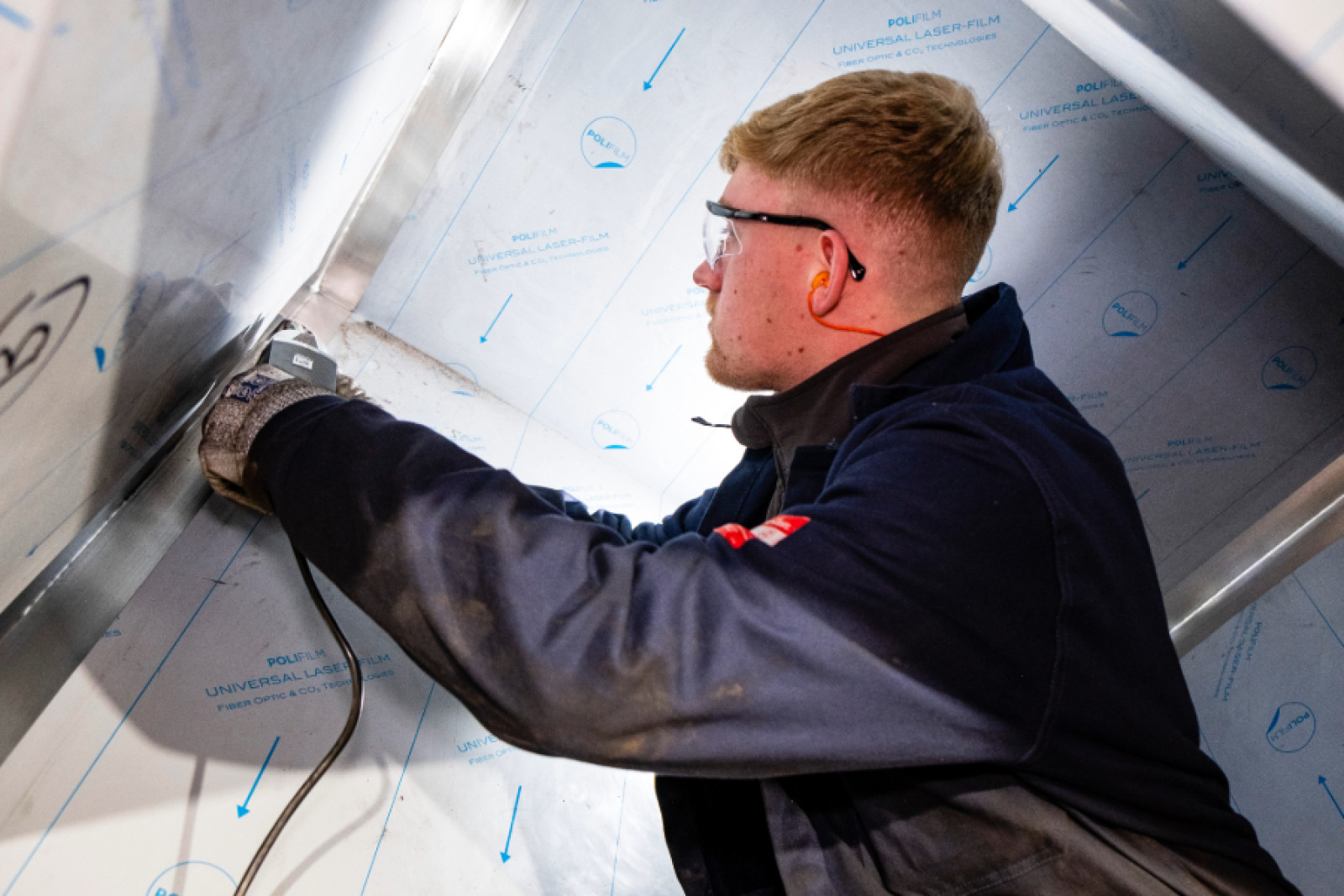
Everyone deserves fair pay for fair work. But apprenticeships are different. They are (by design) structured learning programmes. In our case, an apprentice welder spends one day a week at college which is fully paid, and the rest of the time learning their craft alongside a skilled fabricator. They’re not yet productive workers; they’re trainees.
In 2023, we paid our apprentices £6/hour. By 2024, this jumped to £7.50/hour. And in 2025, it climbed again to £10/hour. That’s a 66% increase in just two years.
Next year, the under-18 minimum wage rises again to £10.85.
For SMEs like ours, the very companies that train most new apprentices- these increases have added tens of thousands of pounds to wage bills. And that’s on top of other recent policies that have already pushed business costs to breaking point.
Alan Pickering, Managing Director at Scarborough based manufacturer Unison commented:
“We’ve run an apprenticeship program here at Unison for over 25 years and are very proud of the graduates from it who now hold significant roles in our business. This year will be the first year that we won’t make a position available. Unfortunately, the recent changes have made it too expensive to train apprentices, and yet these guys and girls are supposed to be the future of British manufacturing. For someone who is passionate about the industry, it’s incredibly frustrating”.
We’re being forced to reduce intake
We’ve always prided ourselves on our apprenticeship programme. Many of our most skilled fabricators, and even some of our leaders, started as apprentices with us.
But today, like many businesses across the UK, we’re facing a painful decision.
The maths simply doesn’t work anymore. Training an apprentice has become cripplingly expensive, and despite the Apprenticeship Levy funding their college education, the actual cost of employment falls entirely on the business. For the first time, companies that have run apprenticeship programmes for decades are being forced to pause their intake.
That should alarm everyone who cares about the future of British industry.
A national skills crisis is looming
The UK will need around 35,000 new welders over the next five years.
Yet in 2024, the entire country trained just 231 welding apprentices.
We are staring down the barrel of a national skills shortage that will impact infrastructure, manufacturing, energy, construction, and almost every sector that physically builds this country. And just as young people finally start showing interest in trades again, government policy is unintentionally closing the door on them.
We need policy that works with industry, not against it
Our Managing Director, Chris Houston attending Westminster on the 4th of December with the Madein Group to raise these concerns directly. Organisations like Enginuity and MakeUK are doing vital work to ensure the manufacturing sector’s voice is actually heard.
We’re not asking for handouts. We’re asking for sensible, balanced policy that recognises:
- apprentices are trainees, not full-time skilled workers
- SMEs cannot absorb 60–70% labour cost increases overnight
- the UK desperately needs skilled trades to stay competitive
- apprenticeship programmes are an investment in the country’s future
Something needs to change.
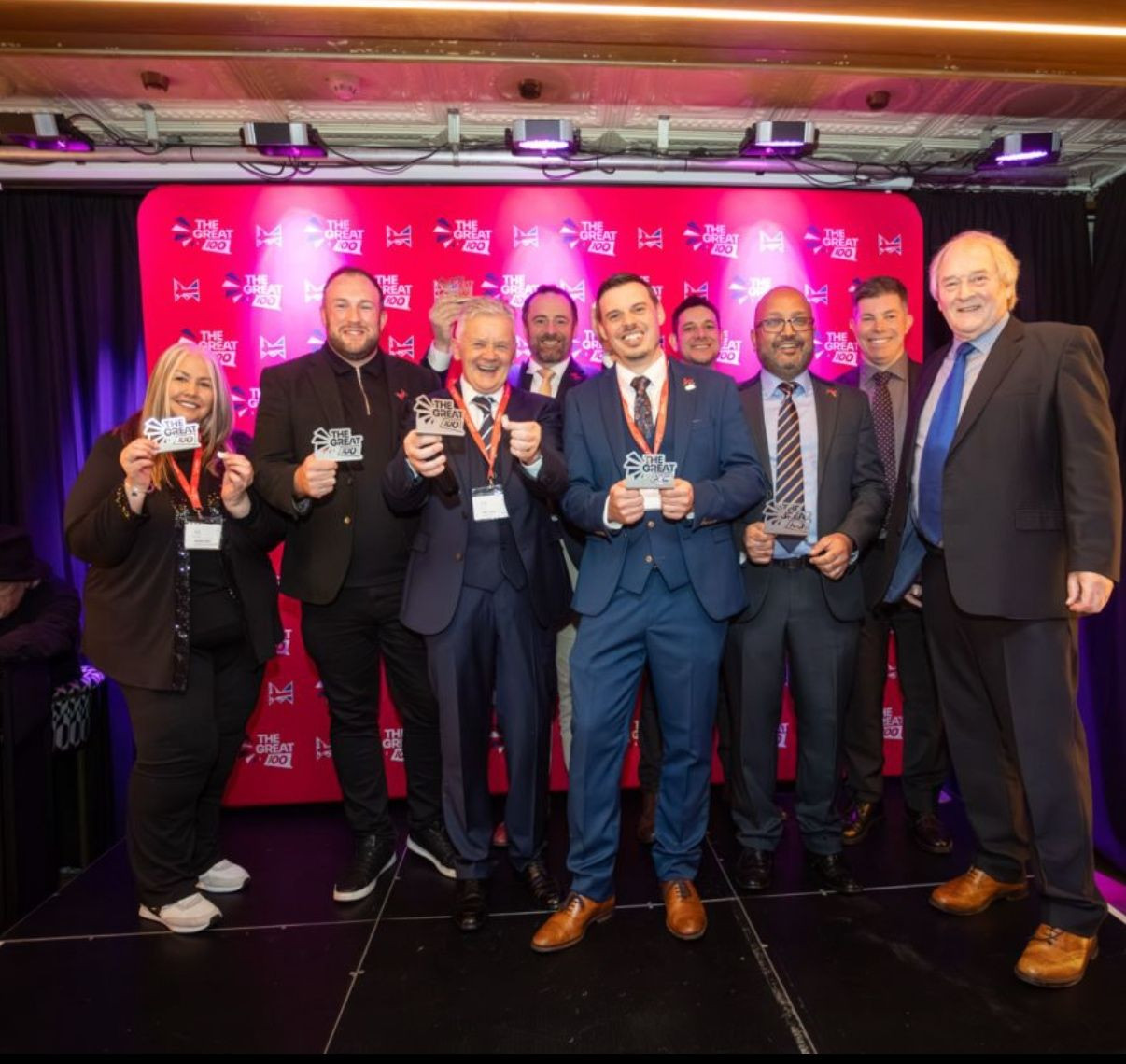
Our Managing Director, Chris Houston, pictured with other Made In Yorkshire members in London.
Chris Houston from Tadweld concludes “It seems such a shame that at the point we finally have the next generation more interested in vocational education, that central policy has made it so much harder for businesses to offer apprenticeship places.”